avoiding pitfalls for successful daylily cultivation in gardens
Daylilies, known for their vibrant blooms and resilience, are a favourite among gardeners. However, even the most experienced gardeners can encounter challenges when cultivating these perennial beauties. In this article, we will explore common mistakes to avoid, ensuring that your daylilies thrive and grace your garden with their stunning flowers.
Choosing the wrong location
One of the most significant pitfalls in daylily cultivation is selecting an unsuitable location for planting. Daylilies thrive in full sun, needing at least six hours of direct sunlight each day. Insufficient sunlight can lead to weak growth and fewer blooms. Before planting, observe your garden throughout the day to identify areas that receive ample sunlight.
Poor soil preparation
The foundation of healthy daylilies lies in properly prepared soil. These plants prefer well-drained, fertile soil rich in organic matter. One common mistake is planting daylilies in heavy clay or overly sandy soil. To improve soil structure, consider adding compost or well-rotted manure before planting. Conduct a soil test to check pH levels; daylilies prefer a slightly acidic to neutral pH of 6.0 to 7.0.
People Also Look For:
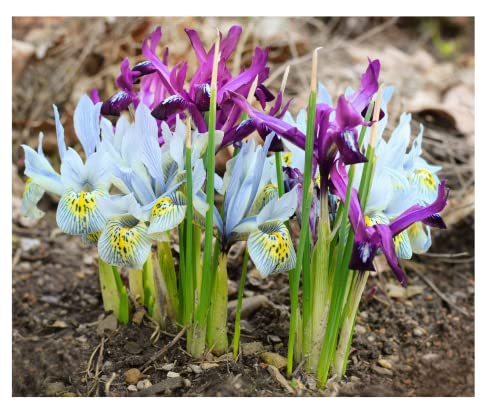
- Garden Flowers, Plant Bulbs, Wedding, Iris Bulbs for Planting Now UK, Natural Organic, Greening Flower, Hardy Perennial, Iris Bulb...
- GardenersDream 3X Indoor Plant Mix - Sansevieria Laurentii, Chamaedorea Elegans, and Dracaena Marginata Indoor House Plants - Live...
- Lincolnshire Pond Plants Ltd - Iris reticulata Purple Hill Plant Bulb x5
- Dr. Marco’s™ Plant Care 100% Organo-Mineral Indoor & Outdoor Seaweed Enriched Plant Spray. Premium Sustainable Natura...
- Gardening Tools Set, Garden Tool Kit with Outdoor Hand Tools, Grass Shears, Garden Gloves, Storage Tote Bag, Garden Tools Set Gift...
Overwatering or underwatering
Watering is crucial for the success of daylilies, yet many gardeners struggle with the right balance. Overwatering can lead to root rot, while underwatering can stress the plants. The key is maintaining consistent moisture, especially during the growing season. A general rule is to water deeply once a week, allowing the top inch of soil to dry out between waterings. Adjust your watering routine during particularly hot or rainy periods.
Neglecting fertilisation
Daylilies benefit from regular fertilisation, but many gardeners either forget or over-fertilise their plants. A common mistake is using high-nitrogen fertilisers, which promote leafy growth at the expense of blooms. Instead, opt for a balanced fertiliser or one higher in phosphorus, which encourages flowering. Apply fertiliser in early spring and again after the first bloom cycle to support continuous flowering.
Ignoring pest and disease management
Daylilies are relatively pest-resistant, but they can still fall prey to issues like aphids, slugs, and fungal diseases. Regularly inspect your plants for signs of infestations or disease. Introducing beneficial insects, such as ladybugs, can help control aphid populations. If pests become a problem, consider organic solutions like neem oil or insecticidal soap. Early detection is key to preventing larger outbreaks.
Planting too close together
Another frequent error is planting daylilies too close together. While these plants can fill out beautifully, overcrowding can lead to poor air circulation, making them more susceptible to disease. When planting, give each daylily enough space to grow – typically 18 to 24 inches apart. This spacing allows for adequate airflow and promotes healthier growth.
Failure to divide
Daylilies can become overcrowded over time, leading to reduced blooming. Many gardeners make the mistake of neglecting to divide their plants. It is advisable to divide daylilies every three to five years to maintain their vigour. The best time to divide is in early spring or after flowering in late summer. When dividing, ensure each division has healthy roots and a few fan leaves to encourage new growth.
Ignoring seasonal care
Seasonal care is an essential aspect of daylily cultivation. Many gardeners overlook the importance of deadheading spent blooms. This practice not only keeps the plant looking tidy but also encourages more flowering. Additionally, during the winter months, it is crucial to provide some protection from harsh weather. A layer of mulch can help insulate the roots and reduce frost heave.